1. Define brand market and claims policy
Note destination markets and claim limits (no medical cure language for herb soaps). Align artwork and website copy before tooling emboss. ZAOLI keeps on-site claims honest—your labels should too. List any retailer or customs wording constraints in RFQ notes.
2. Pick a botanical base library
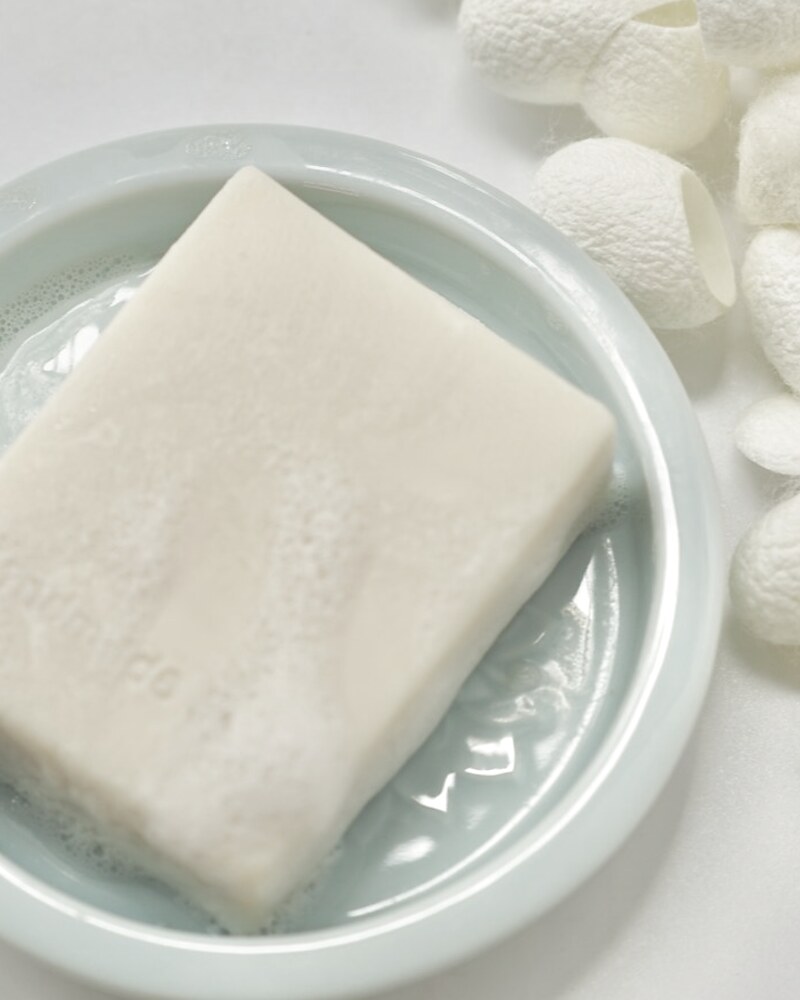
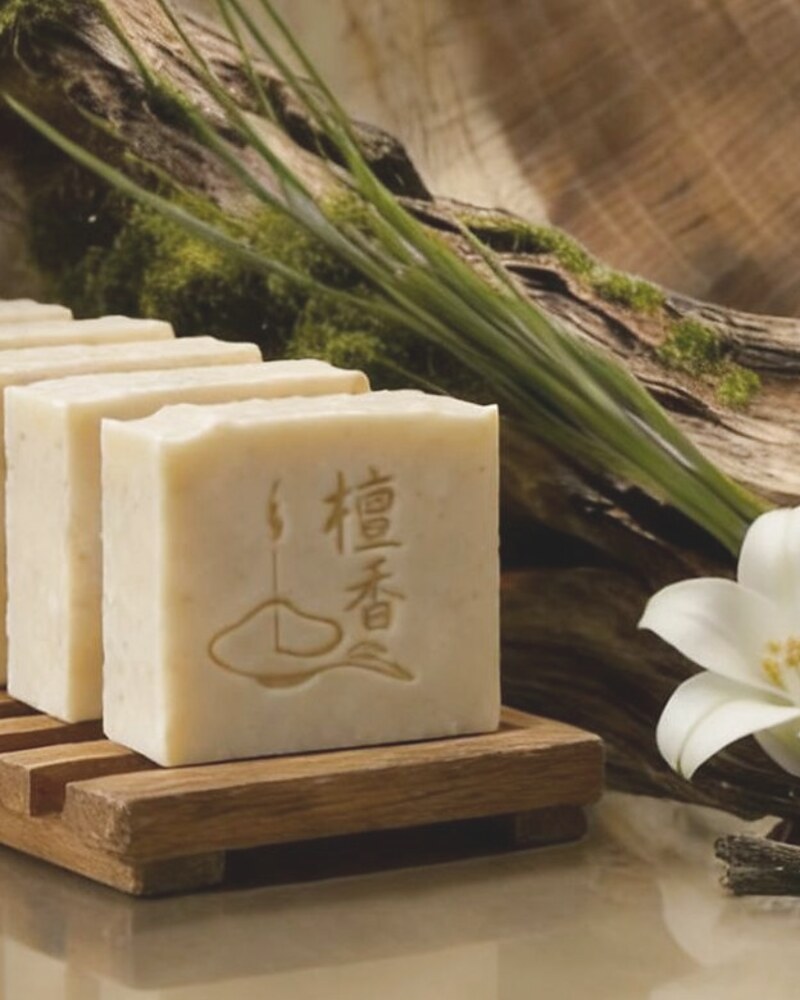
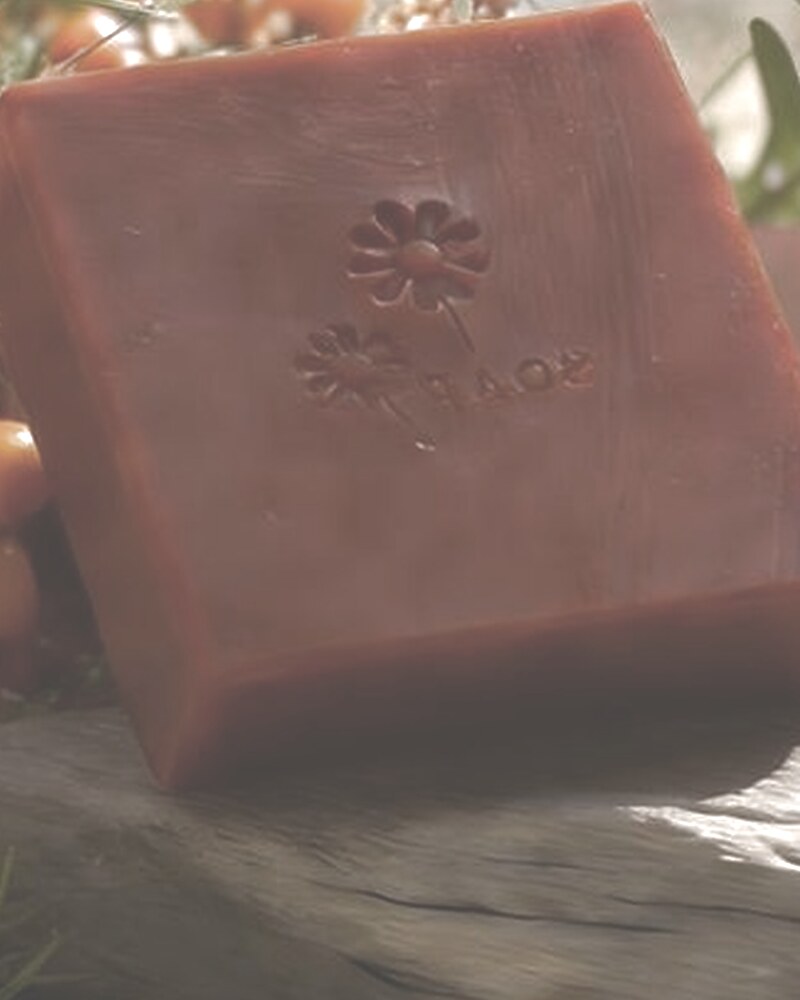
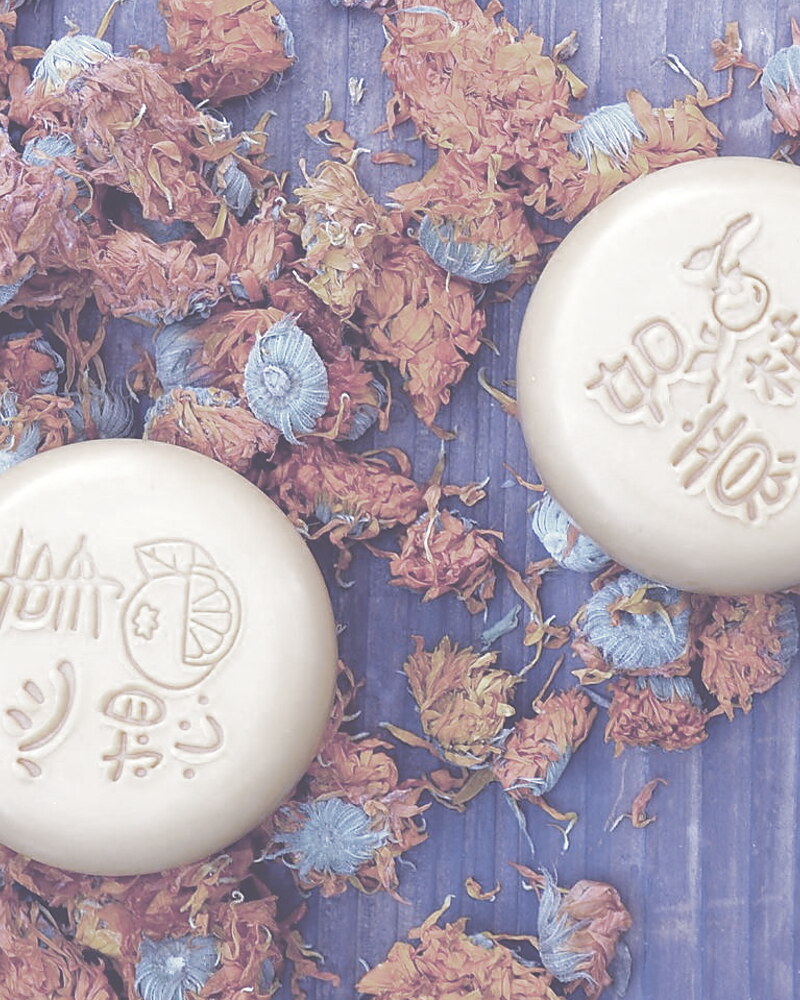
Start from our nine bars—Calendula, Coffee Bath, Silk Goat Milk, Bamboo Charcoal, Avocado, Sea Buckthorn, Jasmine Green Tea, Sophora, Sandalwood—then discuss emboss and carton overlays. Open PDPs for feel and scent notes, and Ingredients entity pages for naming consistency.
3. Emboss, label, and carton notes
Describe motif preference, bilingual needs, and gift vs amenity formats. Attach rough artwork if available. We discuss depth and feasibility after RFQ—not as a fake capability score. Sheep, tea, charcoal, and floral emboss stories already exist on SKUs for reference photography.
4. Sampling and timeline expectations
Sample paths, artwork revisions, and production timing are project-specific. Ask for a realistic sequence in Inquiry notes rather than expecting a public lead-time badge. We confirm after reviewing your SKU mix and emboss intent.
5. Send the RFQ fields that matter
Use the same fields as the sitewide RFQ: Contact name, Company, Country, Email, Role, Interest (oem), SKUs of interest, Quantity range, Notes. Prefill with inquiry.html?interest=oem&product=slug when starting from a PDP. Sampling and quote paths follow agreement.
6. Wholesale first, OEM later is fine
Many partners validate assortment under wholesale branding, then return for private-label emboss. Keep Guides, Wholesale, and OEM pages linked so your team shares one vocabulary.