Cold process · Emboss · Cure
Cold-process soap method
ZAOLI bars are made by cold-process saponification—plant oils and botanicals, pour, cut, emboss, and cure. This page owns “how cold process soap is made” style queries for buyers evaluating a manufacturer, without clinical or ranking claims.
Who this craft page is for
Procurement teams comparing melt-and-pour vs cold process, brand owners evaluating emboss capability, and importers who need honest process photography for catalogs.
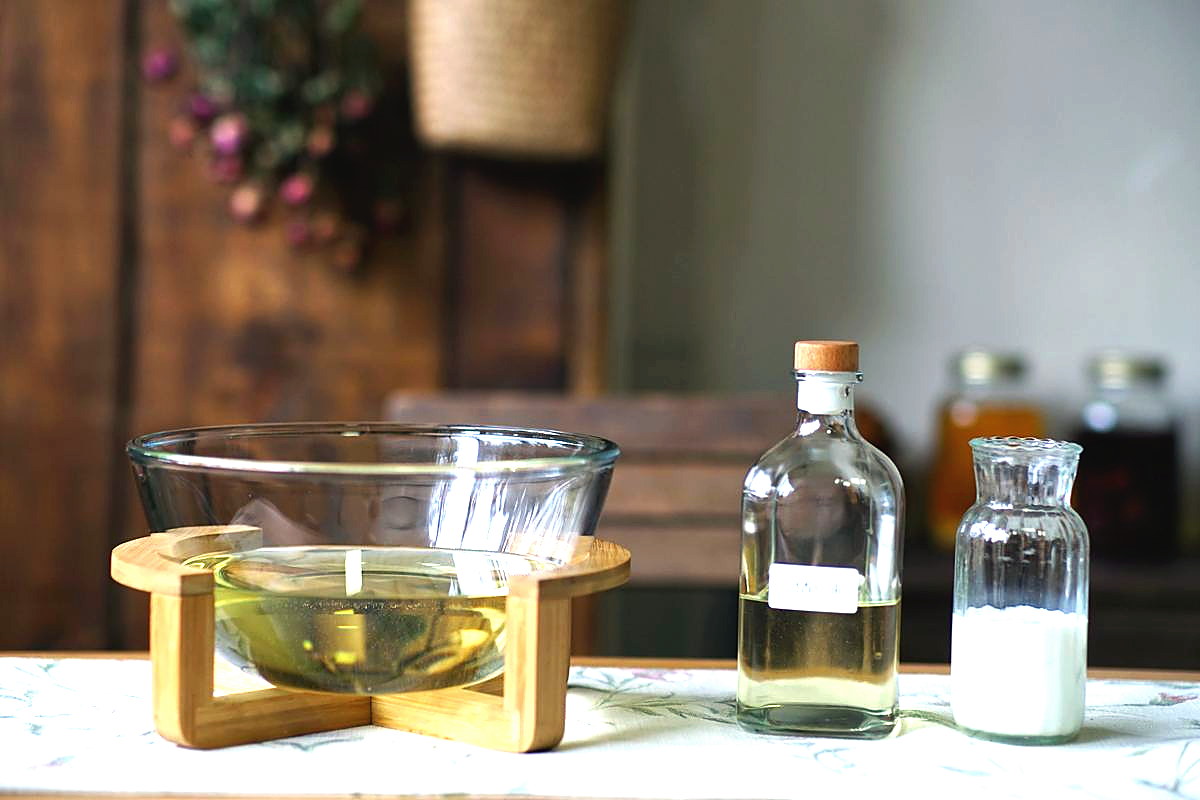
Botanicals & oils
Named plants meet a plant-oil base prepared for cold saponification.
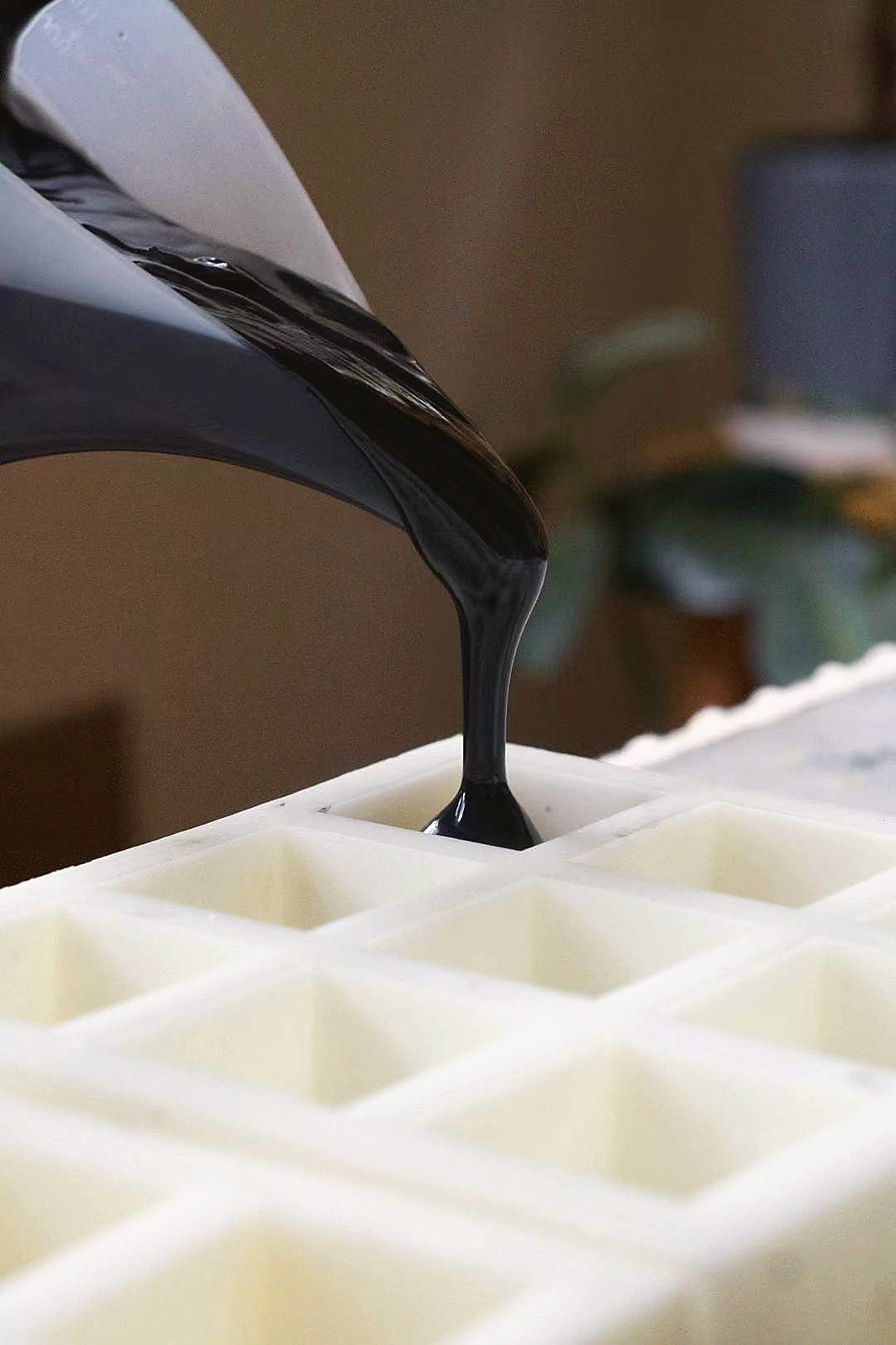
Mix, pour, set
Batter pours and saponifies with timing that favors structure over speed.
Cut, emboss, cure
Hand emboss and cure for packing, gifting, and export handling.
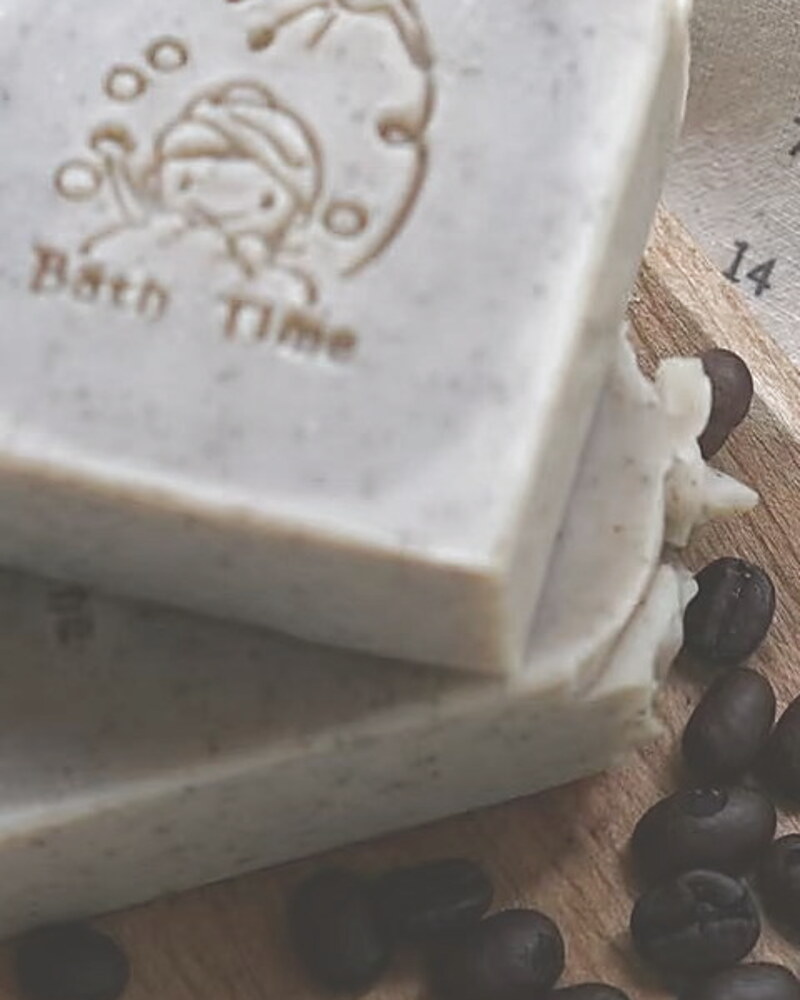
How we emboss
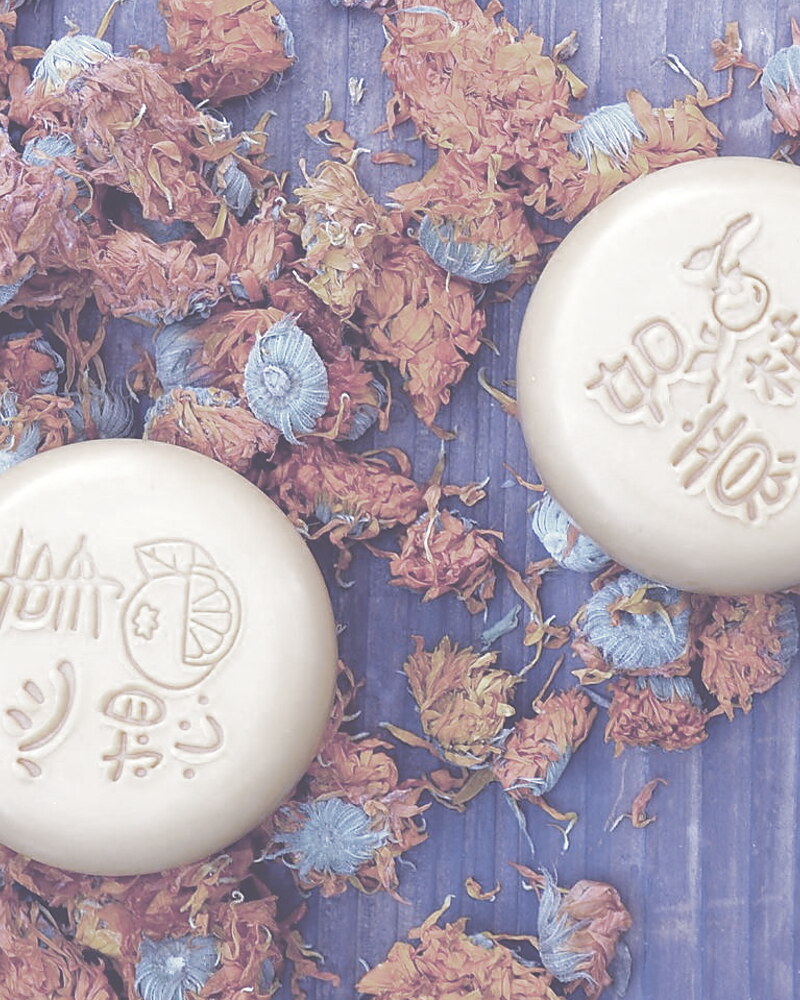
Embossed botanical finish
Emboss adds tactile identity for gift and hospitality assortments. Motif depth and timing relative to cure are discussed in OEM RFQs—no fake “unlimited custom” claims.
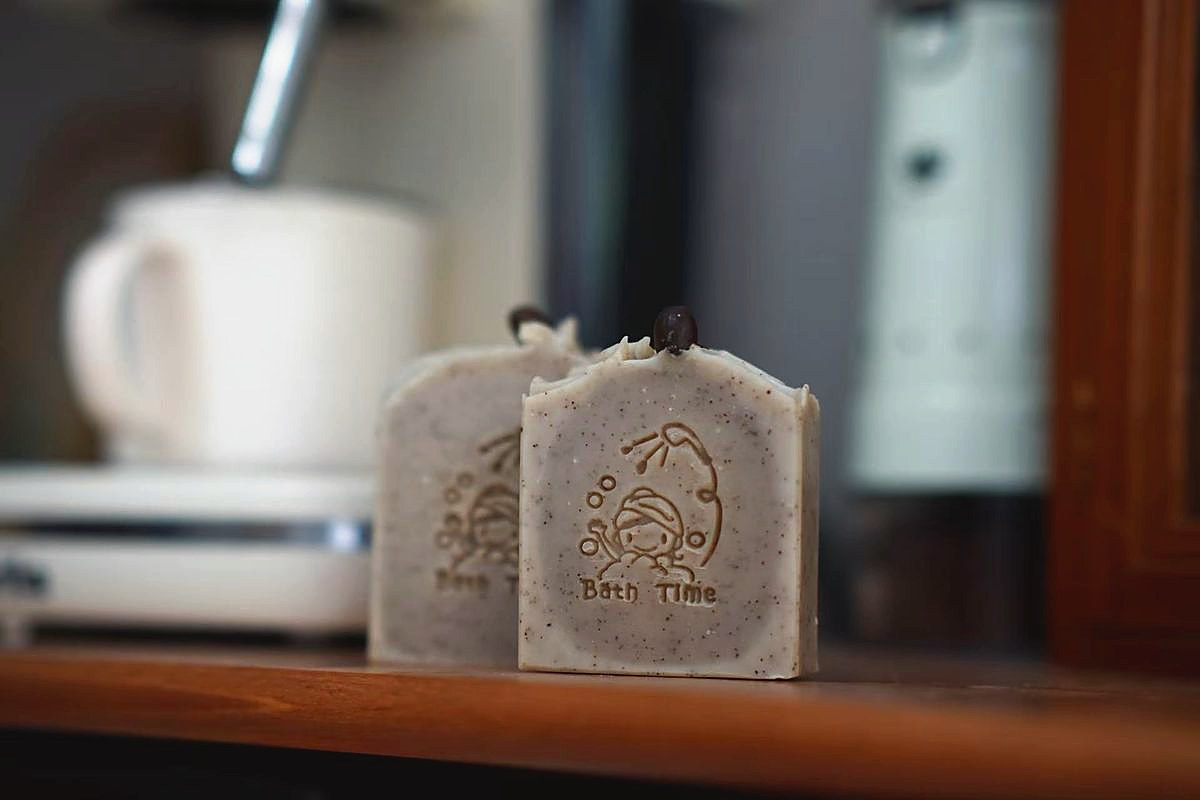
Cure & finish
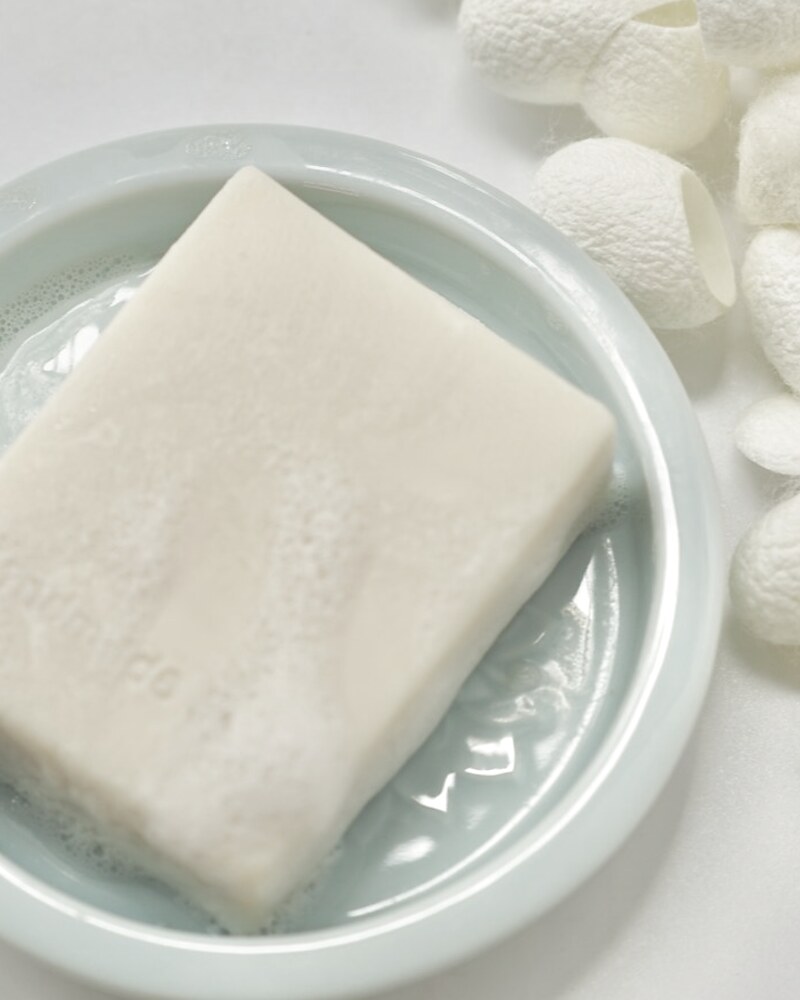
Cured for handling and export
Bars cure before packing so emboss and structure hold through shipping and retail display. Photography from real batches supports export catalogs.
Related SKUs
Craft FAQ
What is cold-process soap?
Plant oils and lye saponify at controlled temperatures; bars are cut, embossed, and cured before packing.
Do you show lab certifications here?
No fake badges. Process photography and method narrative are public; documents share privately when required.
Can buyers visit process details for OEM?
Yes—ask via RFQ about emboss timing relative to cure for your project.